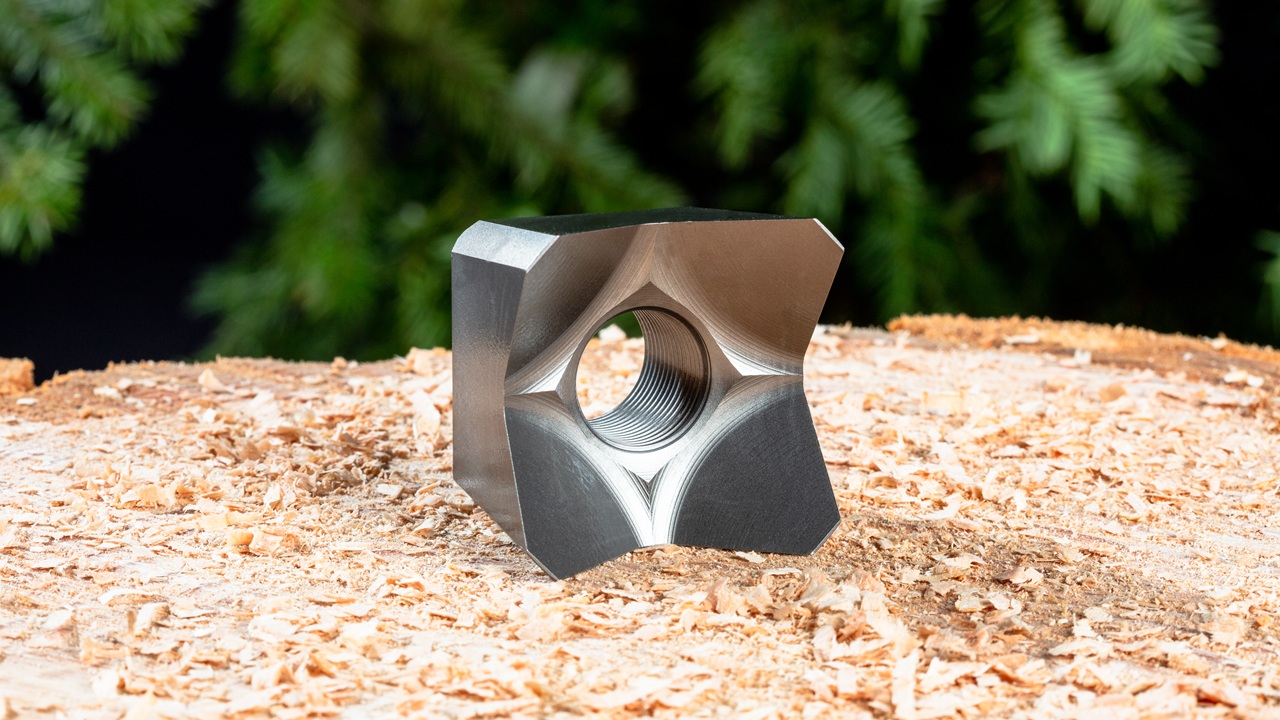
Cutting down trees is a very laborious activity that demands accuracy and energy. Heavy logs, such as those of a feller buncher, are machines that are effective in processing heavy logs. The cutting teeth of these machines are very important in the performance of the machines. Teeth always feel pressure, friction and impact as they cut through tree trunks. In case of quick wearing or even breaking of teeth, the whole machine may come to a halt, resulting in expensive downtime. Good cutting teeth have to be reliable to maintain the smooth flow of operations, and also to be safe. To find out more about feller buncher cutting teeth, you can have a look at JYF Machinery’s website.
How Cutting Teeth Affects Machine Performance
The feller-buncher comes in contact with a tree at the cutting teeth first. They not only cut, but they also assist in the positioning of the tree and assist the machine to work on various trunks simultaneously. Damaged or fatigued teeth may slow the cutting operation and require the use of the hydraulic arm and cutting head of the machine. Good teeth are sharp and are very effective as they do not lose their shape during the long hours. Stability in performance eliminates interruption and enhances productivity.
The Consequences of Downtime
Forestry work is expensive in terms of downtime. Each hour spent when a feller buncher is not working postpones the processing and transportation of trees. There are replacement costs, labor and maintenance costs which increase the cost. Cascading problems can also arise due to stress on other parts because of frequent breakdowns. To avoid these problems, it is better to invest in cutting teeth that are reliable. Fewer replacements and easy running translate to limited downtime and increased productive working days.
Durability and Material Strength
Good cutting teeth are constructed of tough and hard-wearing materials. Hardness is achieved through high-quality steel and exclusive alloys that are not brittle. High heat treatment guarantees that teeth are not easily broken or chipped. Hard teeth are also long-lasting, and they ensure the cutting remains efficient in case of hard, dense trees or abrasive bark. This strength itself minimizes the wear of the cutting head and other parts of the machine. Robust machines have fewer interruptions and increased life of use.
Design Matters
Reliability cannot be achieved with material alone. Cutting teeth design is also an important factor. Well-formed teeth help in distributing pressure at the same rate, avoiding bending or uneven wear. Sharp edges decrease the friction and simplify cutting, making it easier. Balanced and precise teeth are made to enable the cutting head to cut logs efficiently. Teeth designed correctly facilitate the stable performance of the machine and minimize the possibility of mechanical failures.
Supporting Heavy Loads
There are trees that are too thick or heavy, and it takes more force to cut them. The teeth are weak and may delay the process or even lead to the jamming of the cutting head. The teeth are reliable, and they support heavy weights without bending or breaking. This enables the feller buncher to be fast and accurate when handling large timber. Highly resistant teeth save stress on the machine and avoid unforeseen pauses in important processes.
Maintenance Efficiency
Well-built teeth also simplify maintenance. Hard teeth do not need as frequent sharpening or procuring. Fewer maintenance actions imply that the operators are able to concentrate on reducing instead of maintaining the machine. The risk of mistakes during replacement is also minimized because of easy-to-maintain teeth, which reduces the downtime even more. Trustworthy teeth ensure effective fieldwork and the process of regular service.
Extending Machine Life
Reliable cutting teeth protect the machine as a whole. Even wear and strong impact resistance reduce strain on the hydraulic arm, frame, and cutting head. When teeth perform consistently, other components last longer. Long life of the machines also means that there is less repair and a reduced cost of operation. Making an investment in quality teeth is a long-term investment in the overall machine reliability and durability.
Conclusion
Feller-buncher cutting teeth are tiny bits that have a significant influence on the activities in forestry. Good teeth are good for cutting easily and efficiently, minimizing the maintenance break, and cutting deep timber in harsh conditions. They reduce the downtime through resistance to wear, impact absorption and sharpness throughout the long working hours. Hardened and engineered teeth also guard the other parts of the machine, thereby prolonging the life of the machine as a whole feller buncher. Forestry work requires cutting teeth that are powerful and trustworthy to ensure that the work continues to be efficient, safe, and consistent, and therefore, effective.